What is Early Interception Orthodontics?
Early intervention orthodontic treatment, also known as interceptive orthodontics, is a type of orthodontic treatment that is performed on children between the ages of 7 and 12. The goal of early intervention orthodontic treatment is to correct or prevent orthodontic problems before they become more serious.
There are a number of reasons why children may need early intervention orthodontic treatment. Some common reasons include:
Crowding: Crowding occurs when there is not enough room in the mouth for all of the teeth to erupt properly. This can lead to crooked teeth, misaligned bites, and difficulty with chewing and speaking.
Crossbites: A crossbite occurs when the upper teeth bite inside of the lower teeth. This can cause problems with chewing and speaking, and it can also lead to tooth decay and gum disease.
Open bites: An open bite occurs when there is a gap between the upper and lower teeth when the jaws close together. This can make it difficult to chew and speak, and it can also lead to tooth decay and gum disease.
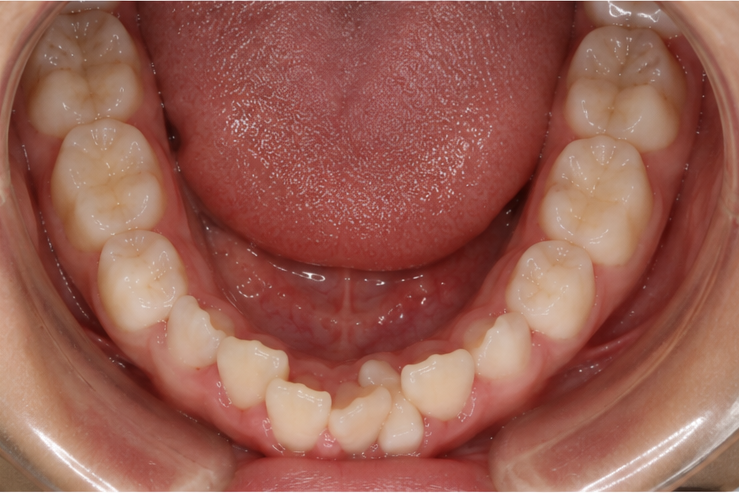
Crowding
When there isn't enough space for the developing teeth to come through comfortably.
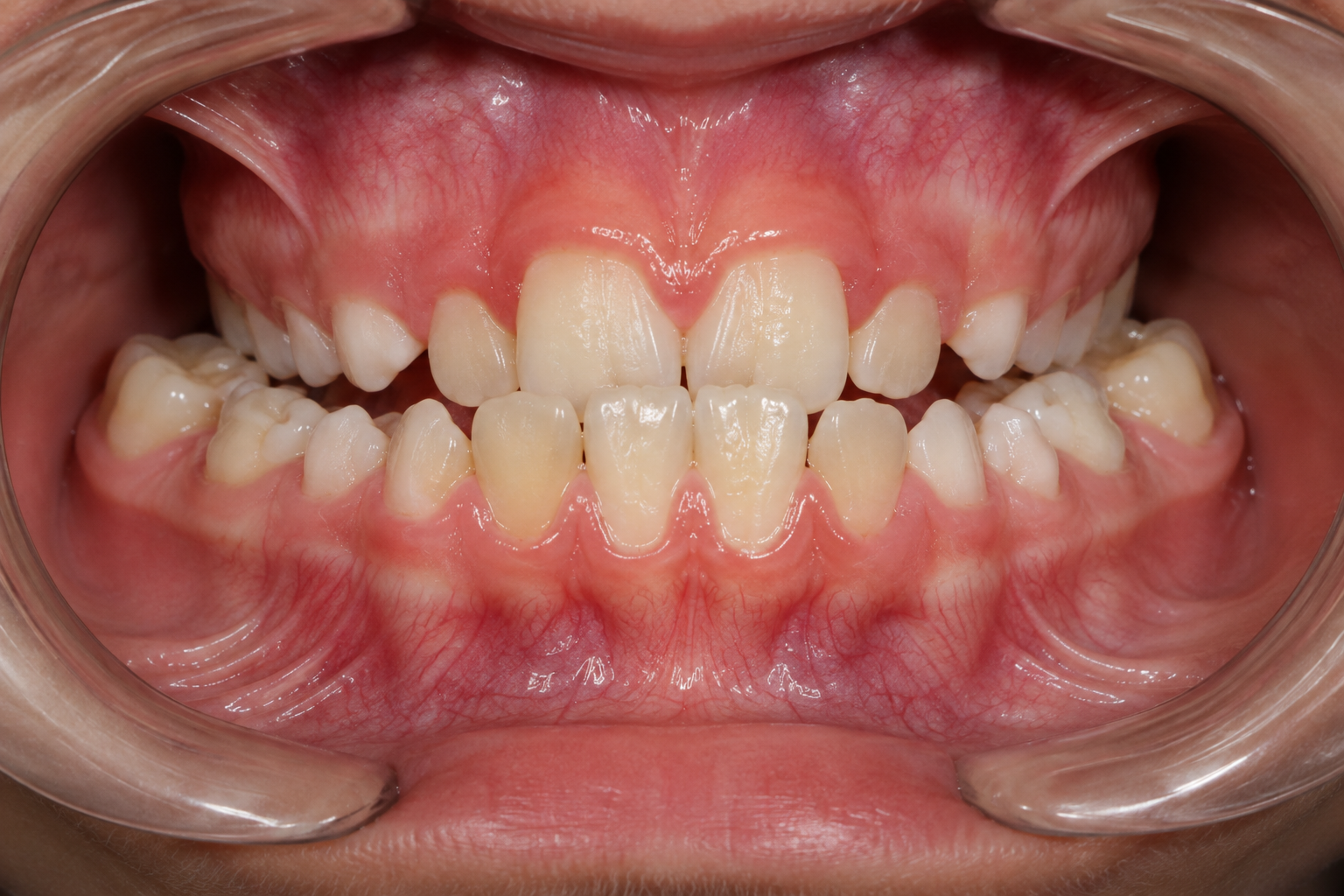
Crossbite
When one or more upper teeth bite inside the lower teeth rather than outside.
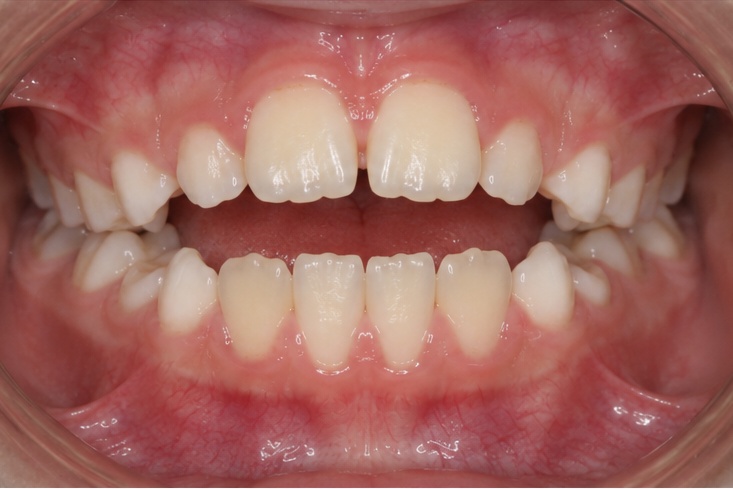
Open Bite
When the upper and lower front teeth don't meet when the back teeth are together.
Why can early interception help?
Early Interception Orthodontics is about recognising certain problems with the teeth, bite and developing jaws while your child is still growing. In some cases, identifying these changes at the right stage gives us an opportunity to guide growth and development rather than simply waiting until all of the adult teeth have appeared.
Every child develops differently, and early assessment certainly doesn't mean early treatment for everyone. Sometimes the best approach is simply to monitor how your child's teeth and jaws are developing. Where treatment may be beneficial, we'll explain what we've noticed, why it matters and the options available.
What are the potential benefits?
Creating space for developing teeth
Where crowding is developing, early treatment may sometimes help create or preserve space for adult teeth as they emerge.
Improving the bite
Problems such as crossbites and open bites can affect the way the upper and lower teeth meet. Identifying these early allows us to assess whether intervention during growth could be beneficial.
Supporting healthy growth and function
The position of the teeth and development of the jaws can influence how a child bites, chews and functions. Our assessment looks at the bigger picture — not simply whether the teeth appear straight.
Making the most of your child's growth
Some orthodontic problems can be easier to influence while the jaws and face are still developing. Timing can therefore be an important part of deciding whether — and when — treatment is appropriate.
Planning for the future
Early interception doesn't necessarily replace orthodontic treatment later. For some children, however, addressing a developing problem at an earlier stage may make future treatment more straightforward.
What happens next?
If you have concerns about your child's teeth or bite — or simply aren't sure whether something looks quite right — we're happy to take a look.
We'll assess your child's teeth, bite and developing jaws and talk you through what we find. That may mean recommending treatment, keeping things under review as your child grows, or reassuring you that no intervention is currently needed.
The aim isn't to treat children earlier simply for the sake of it. It's to recognise when there may be an advantage to acting at the right time.
See the difference as they grow
With DentalMonitoring, we can follow changes in your child's smile remotely between appointments, helping us keep a closer eye on their progress as treatment develops.
Real Soar Valley patient. Shared with permission.
Referral for Early Interception Orthodontics